
Practical fire safety guidance
Compliance updates, technical guides and expert advice for property managers, facilities teams and compliance officers.
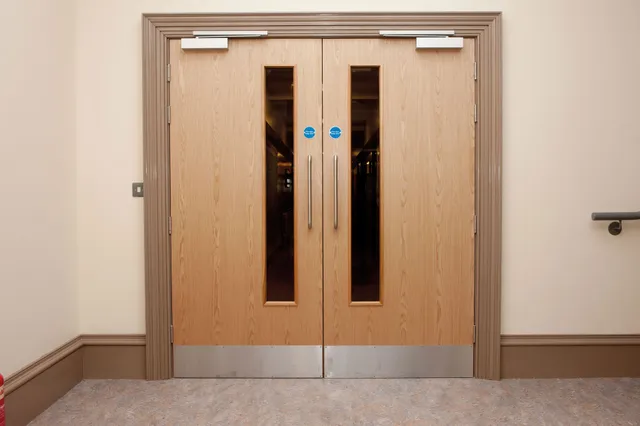
Fire Door Glazing and Vision Panels: Common Defects and What to Do
Cracked glass, damaged beads or an unexplained alteration need a clear report and competent assessment. Here is what building teams should record.
Read article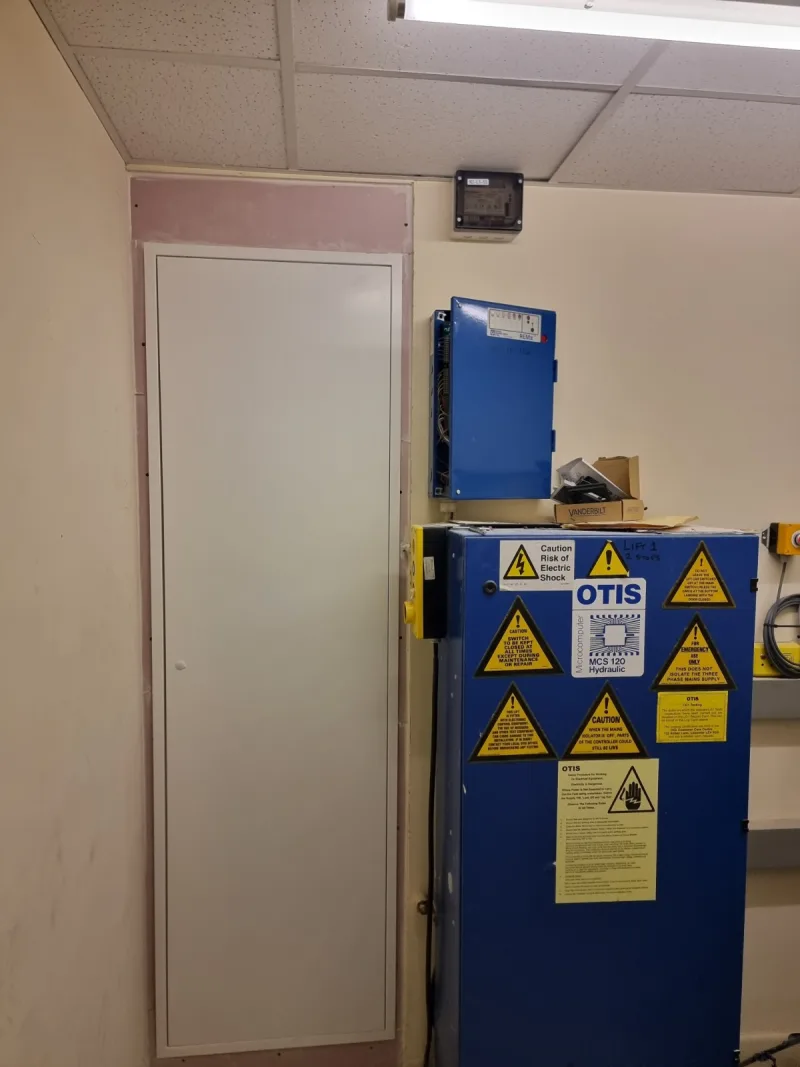
Fire-Resisting Access Panels and Hatches: What to Check During Surveys
Access panels can be the weak link in a compartment line. Here's what surveys commonly flag and how to scope remedials.
Read article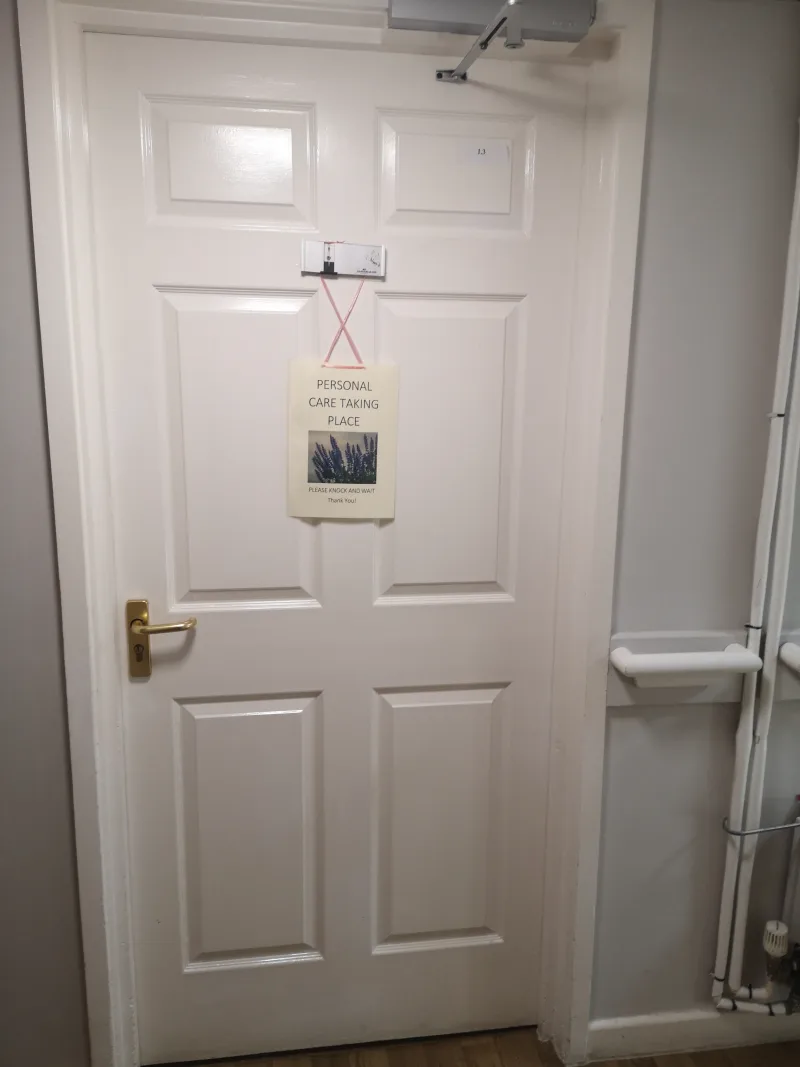
Flat Entrance Doors vs Communal Fire Doors: What Changes in Practice
The biggest difference isn't the door - it's access, evidence, and how you manage defects across a portfolio.
Read article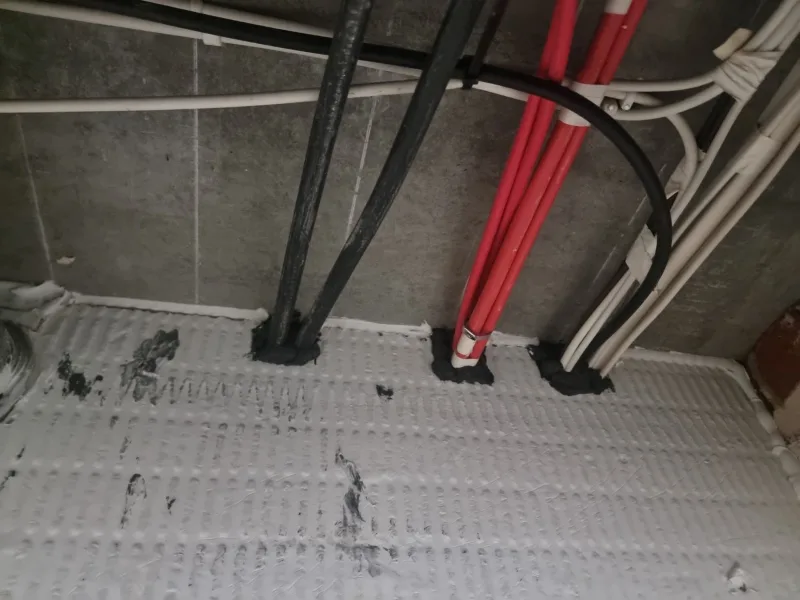
Fire Stopping Documentation: What to Keep (System IDs, Photos, and Close-Out)
Fire stopping isn't just installation - it's evidence. Here's what to keep so repairs and follow-on trades don't undo your remedials.
Read article Fire Stopping for Plastic Pipes: Collars, Wraps, and Common Mistakes
Plastic pipes behave differently in a fire. That's why surveys often flag the same set of defects around collars, wraps, and sealing details.
Read article Fire Stopping Around Cable Trays and Containment: Common Defects and How to Fix Them
Containment penetrations are a repeat-defect hotspot. Here's what surveys commonly find and what good remedials look like.
Read article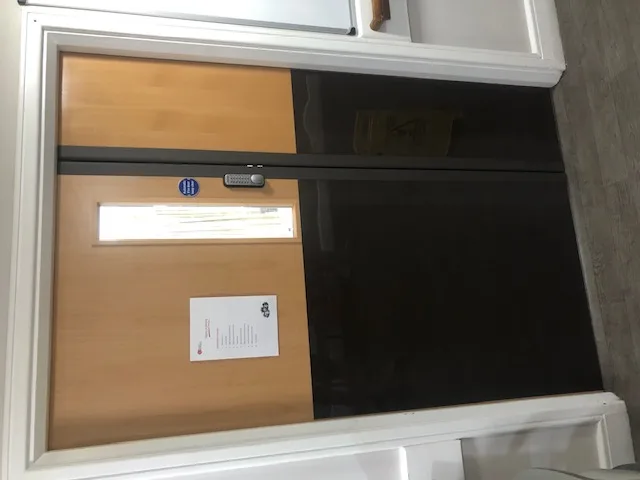
How to Prepare for a Fire Door Inspection (So You Get a Useful Output)
Good inspections save time when the scope, access, and outputs are agreed up front. Here's how to prepare.
Read article How to Set a Fire Door Inspection Programme (Frequency, Scope, and Records)
Inspection programmes work when they're risk-based, consistent, and produce outputs that can be tracked and closed out.
Read articleHave a compliance question?
If you can't find what you're looking for, get in touch. We're happy to answer technical questions about fire doors, passive fire protection and building safety.